

The gold and silver markets are rarely a straight line up. They are a constant tug-of-war between inflation data, geopolitical tensions, and currency fluctuations. For the savvy investor, these “waves” aren’t just noise—they are opportunities to build and protect generational wealth.
Understanding the Trends
To navigate these waters, you must understand the underlying currents. Gold often acts as the market’s fear gauge , while silver tends to follow gold’s lead but with much higher volatility due to its smaller market cap and industrial utility.
To maximise returns, look beyond the daily spot price and focus on these two critical metrics:
1. The Gold-Silver Ratio (GSR)
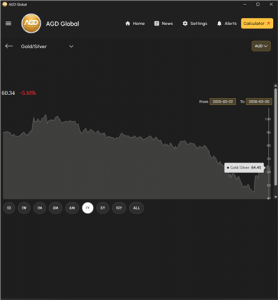 The Gold-Silver Ratio represents how many ounces of silver it takes to buy one ounce of gold. Historically, the 20th-century average was around 47:1. When this ratio climbs significantly higher (e.g., 80:1 or 100:1), silver is considered “cheap” relative to gold, often signaling a massive buying opportunity for the white metal.
- Track the live ratio: Live Gold Price App
2. The Inverse Relationship with the U.S. Dollar
Because precious metals are priced in U.S. Dollars (USD), they generally move in the opposite direction of the U.S. Dollar Index (DXY). When the dollar cools due to interest rate pauses or economic cooling, metals typically heat up. Monitoring Federal Reserve policy is essential for timing your entries.
- Monitor Fed Rate Trends: CME FedWatch Tool
Strategies for Profitable Trading
Success in precious metals isn’t about luck; it’s about a disciplined framework. Here are three strategies to maximise your holdings:
1. Dollar-Cost Averaging
Market timing is a fool’s errand. Even professional traders struggle to catch the absolute bottom. By investing a fixed dollar amount regularly (monthly or quarterly), you naturally buy more ounces when prices are low and fewer when prices are high. This lowers your average cost basis over time and removes the emotional “analysis paralysis.”
2. The “Take Profit” Rule
In a volatile market, greed is your greatest enemy. Significant price spikes are often followed by “corrections.” Set predetermined exit points—for example, selling 10-15% of your position when gold hits a specific resistance level—to lock in gains. You can then use those profits to buy back in during the next dip.
3. Diversify Your Holdings
Don’t put all your “metal” in one basket. A robust portfolio balances different asset classes within the sector:
- Physical Bullion: Sovereigns and bars for long-term security and “wealth insurance.”
- ETFs (Exchange Traded Funds): Such as GLD or SLV for high liquidity and ease of trading.
- Mining Stocks: Companies that mine the metals can provide “leverage” to the metal’s price, though they carry higher operational risk.
- Research Mining Trends: The Northern Miner
4. Volume buildup
In gold trading, volume is the total number of contracts or shares traded during a specific period. A “volume buildup” serves as the fuel for price movements; it confirms the strength behind a trend and provides clues about whether a price level will hold or break.
Volume is the most reliable way to validate a price move. In a healthy bull market for gold, you want to see volume increasing as the price rises.
- High Volume on Rallies: This indicates “strong hands” (institutional buyers) are entering the market, suggesting the uptrend has staying power.
- Low Volume on Rallies: If gold prices are hitting new highs but volume is declining, it suggests a lack of conviction. This is often a warning sign of an impending reversal or “bull trap.”
The Bottom Line
Precious metals are a marathon, not a sprint. While the daily fluctuations can be dizzying, the long-term trend for gold and silver has historically been an upward climb against devaluing fiat currencies.
By staying informed through reputable sources like the World Gold Council and The Silver Institute, staying disciplined with your buying habits, and using volatility to your advantage, you can transform market waves into a powerful engine for returns.
Disclaimer: This post is for informational purposes only and does not constitute financial advice. Always consult with a certified financial advisor before making investment decisions.